 Platter · for Tikka
Point of View · prepared by Platter
Platter · for Tikka
Platter · for Tikka
Point of View · prepared by Platter
Tikka × Platter — Point of View
How we’d take the Tikka flavor world from a beautiful story to a brand that converts.

Site Architecture
Our recommendation: move to a multi-page Shopify architecture.
The current single-page layout tells the Tikka story beautifully — but it comes with limitations. It caps your ability to test landing-page variations, build out SEO, and give customers a real product-discovery experience as the range expands. Here’s how we’d think about the page structure.
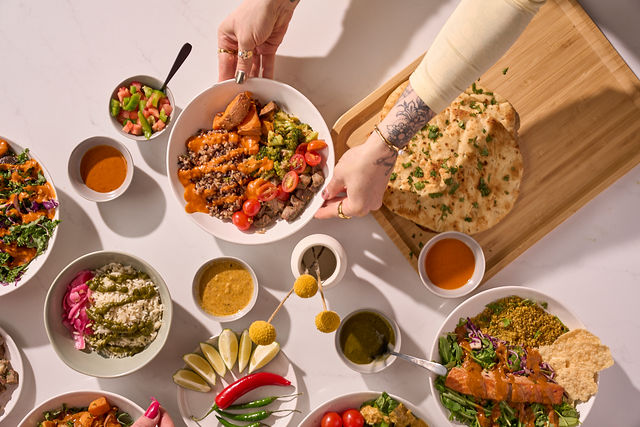
Room to discover
A spread this rich deserves more than one page to explore it.
On Framer & Shopify vs. Shopify-only
The Framer build looks great and clearly has creative momentum behind it. But we’d caution against continuing to develop in Framer as a long-term architecture.
Framer-to-Shopify integrations introduce complexity at checkout, limit your ability to implement conversion tools natively — sticky ATCs, upsells, bundles, subscription logic — and create a two-system dependency that becomes painful to maintain. Our recommendation is to build natively in a Shopify theme, using Platter’s theme-building framework.
It’s like having a Ferrari instead of a bike. The whole team loves it!— Nate Medow, Co-Founder, The Absorption Company
Conversion Optimization
Platter has built a business on this.
The Tikka brand is vivid, the food photography is strong, and the tone is playful and confident. None of that needs to be sacrificed for the site to convert.
The issue with most brand-forward DTC sites isn’t that they have too much brand — it’s that the purchase path is unclear, the friction points go unaddressed, and the trust signals are absent or buried. Here’s where we’d focus.
Right now the hero leads with atmosphere. That’s fine for the brand — but a visitor from a paid ad needs to understand within three seconds what Tikka is, why it’s different, and what to do next. We’d augment the hero with a clear value-proposition line and a single, prominent CTA. Not just ‘Explore,’ but ‘Shop the Flavor Packs’ or ‘Start Your Ritual.’
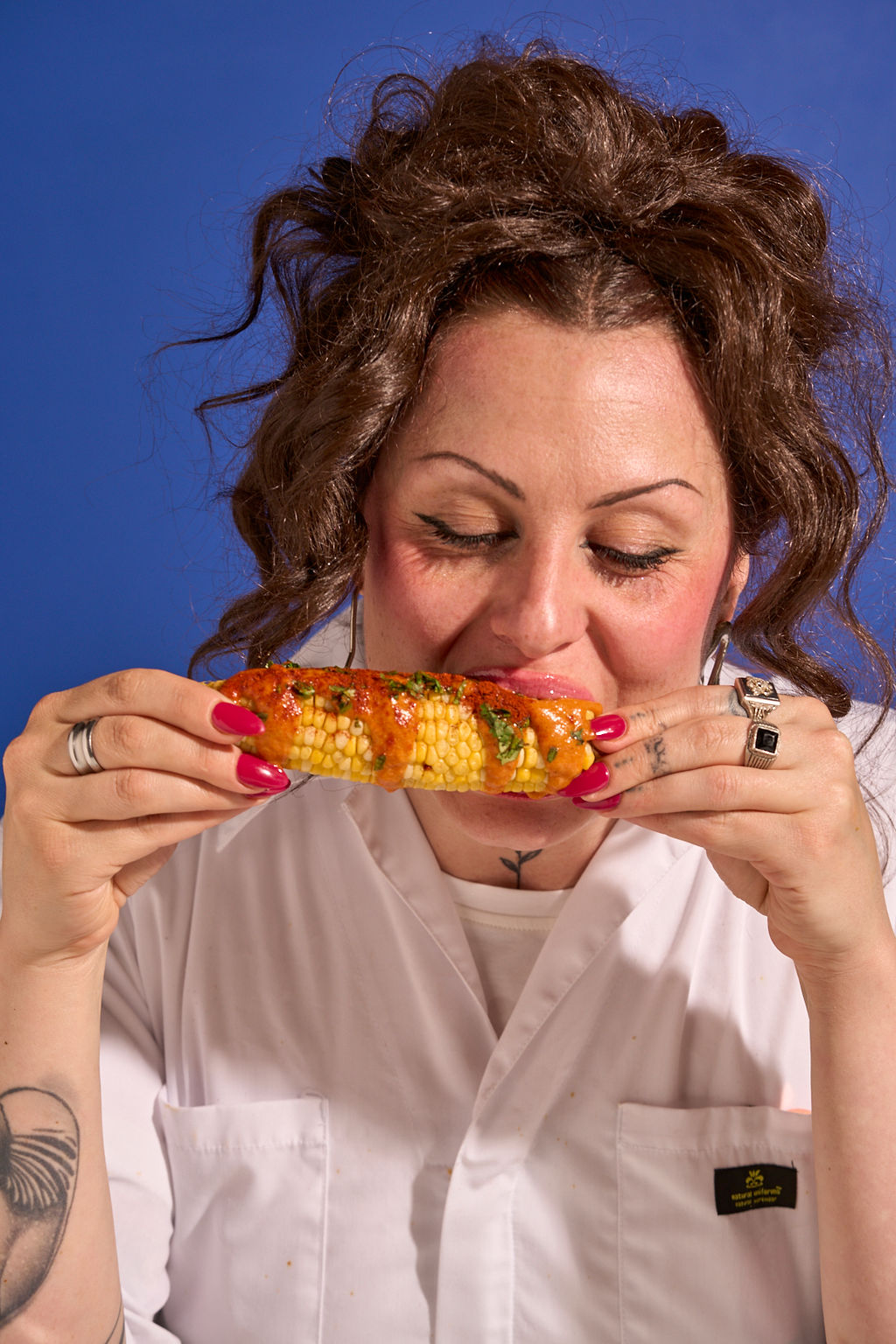
On any DTC food brand, the PDP is the conversion engine. We’d build each one to carry its weight commercially while staying fully on-brand:
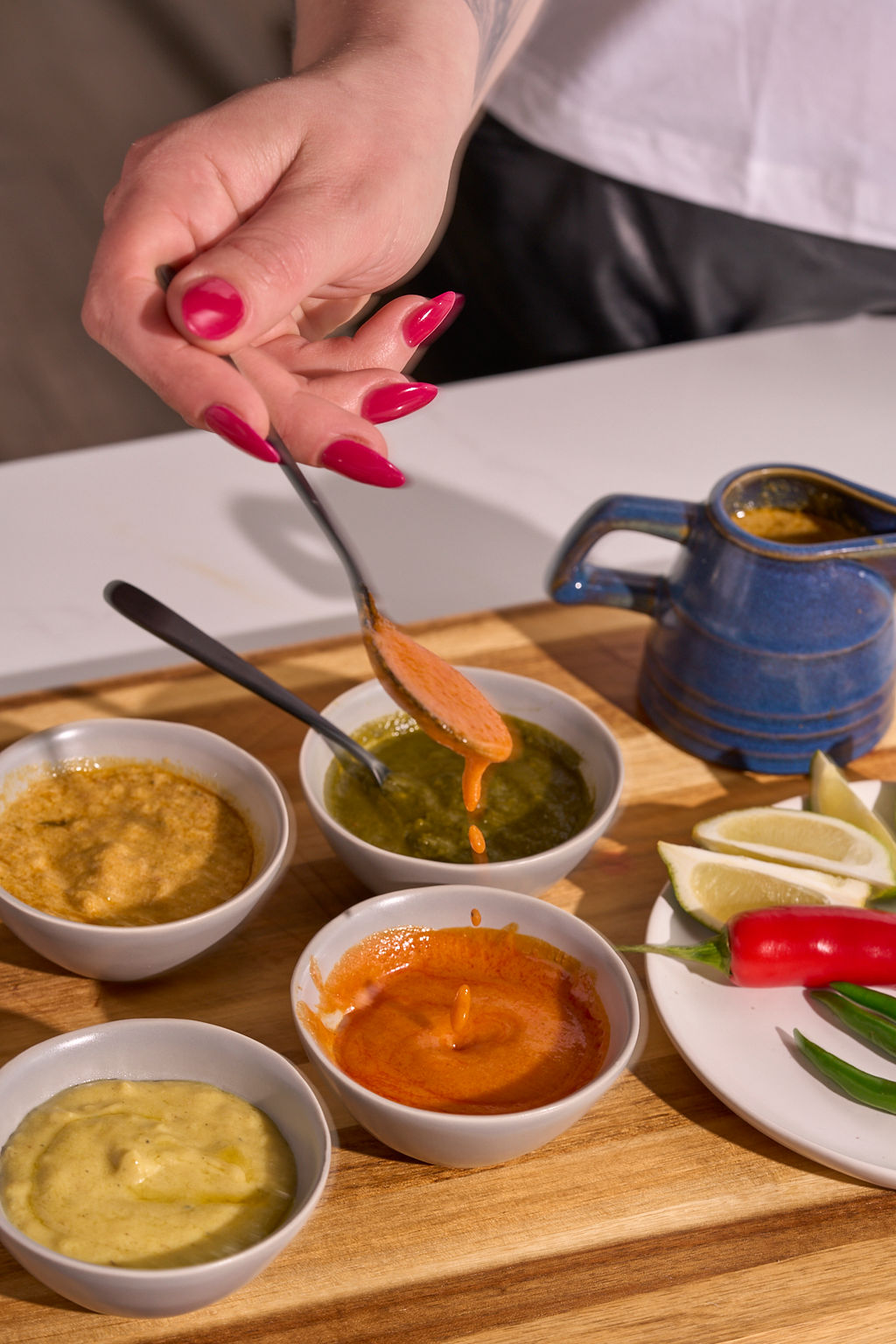
Sticky add-to-cart bars, bundle upsells in cart, a prominent ‘Build Your Pack’ flow, and a fast, native Shopify checkout all reduce drop-off. These are table-stakes for a DTC food brand — and they’re difficult to implement in a Framer-Shopify hybrid.
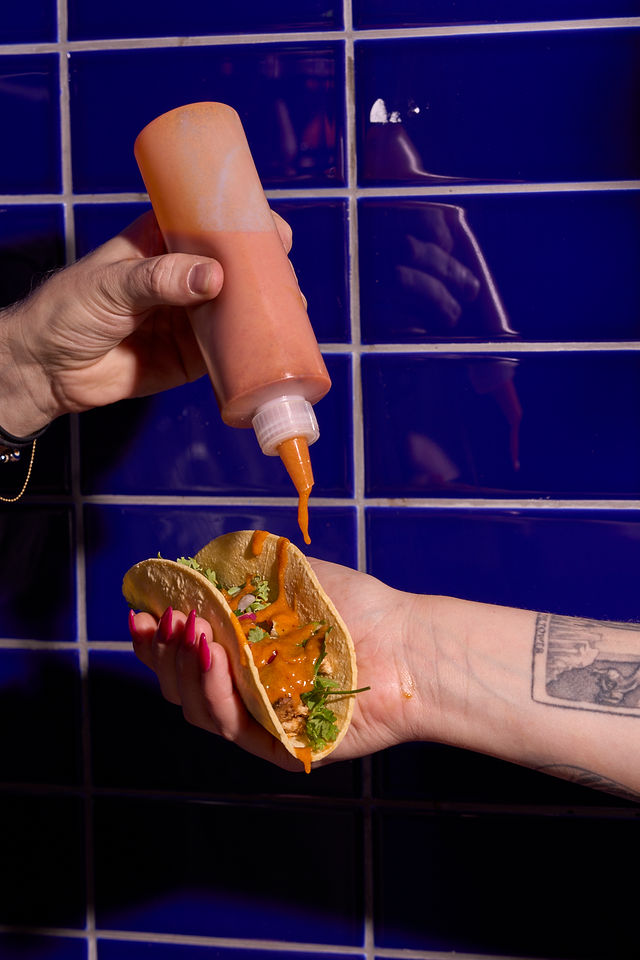
Early-stage brands have to work harder on trust. We’d weave UGC, press mentions, and reviews throughout the page. An ‘As seen in’ marquee bar, a real-people-cooking module, and a satisfaction guarantee all do quiet but important trust-building on the path to purchase, repeat, and eventual advocacy.
The flavor world Tikka has built is ideal for a high-converting pop-up or sticky bar tied to a specific offer — a free recipe pack, a discount on the first order, or early access to new flavors. We’d wire this to Klaviyo at launch, with flows for welcome, browse-abandon, cart-abandon, and post-purchase.
Landing Pages
Pages you can spin up, test, and iterate — without a developer for every change.
For paid media to work at scale, you need landing pages that move as fast as your campaigns. The flavor territories you’ve documented map cleanly to a template system, and Platter will provide a Claude Design System and Claude Code Skill for generating static landing-page sections as needed.
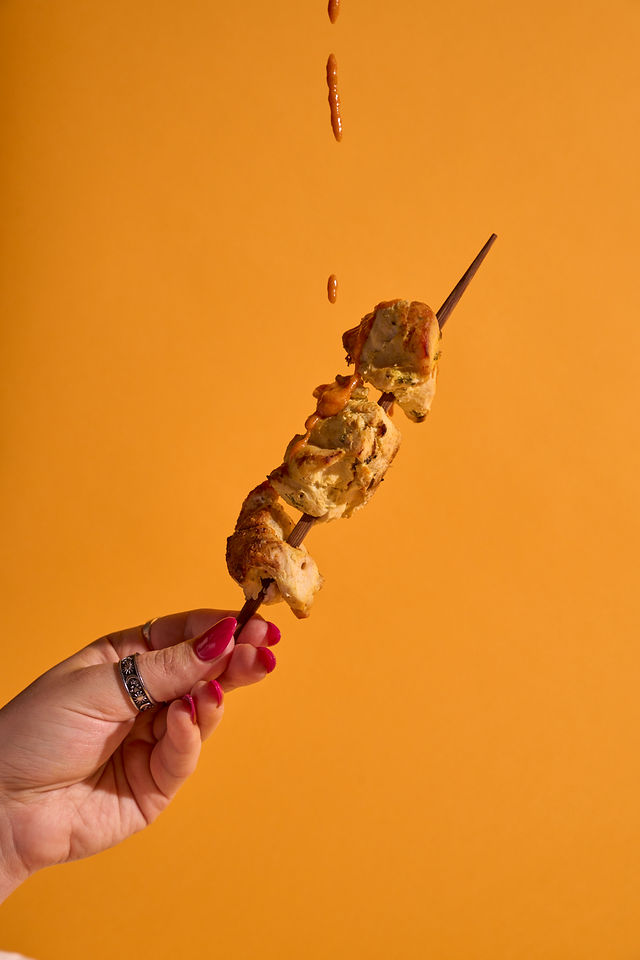
On your flavor territories
The territories you’ve outlined — cuisines, occasions, cooking situations — are well-suited to this template system. A ‘Quick Weeknight Dinner’ page and a ‘Zhoug Sauce for Grilling’ page can share the same structure and simply swap content, imagery, and the featured SKU. This is the architecture that makes paid media testable and learnable over time.
Implementation
The right foundation for DTC ambition, subscriptions, and a testing program.
We’d build Tikka on Shopify using Platter’s theme-building framework. The full scope and timeline live in our proposal — here’s our directional thinking on the stack.
Our process starts with a discovery sprint, where we go deep on your brand, the commercial goals, and the customer. From there we move quickly: design in Figma, validate with your team, build in Shopify. After launch, we highly suggest retainer support for an accessibility sprint, landing-page iteration, offer testing, and platform maintenance. We’re looking to be your long-term partner.
Let’s build it
Full scope, timeline, and pricing are covered in our accompanying proposal. We’re excited about what you’re building.
×
Platter